Entry · Ref 2YDOTPCO
API quota exceeded. You can make 500 requests per day.
- Posted
- 2026-10-20
- Last amended
- 2026-10-20
- Account
- @arthurcolorbondfencinginstallerbydp596
There's a details look that divides a fence that's been "installed" from a fence that's been appropriately developed. It appears at the top line, where the rail caps rest with intention, where the corners remain real, and where the joins don't roam like they're attempting to escape. When you cope with a Colorbond fence day to day, those crisp sides issue. They choose whether your fencing reviews as solid and straight from the road, or a little bit unsteady up close.
I have actually developed and monitored adequate fencing jobs to understand the reality: the hardest work isn't constantly the exploration and screwing. It's the preparation that takes place before the very first sheet touches the website, the determining you do twice because the ground won't stop being irregular, and the tiny telephone call you make when tolerances start accumulating. "Neat caps" seems like a surface detail, but it's actually a system result. If your posts are out by a few millimetres, your top positioning will battle you completely to the caps.
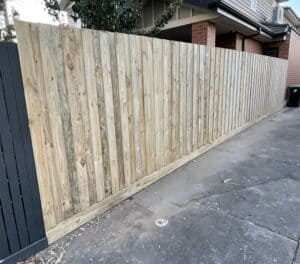
This is a hands-on guide to what I look for as a Colorbond fencing builder, and how a good Colorbond fencing installer or Colorbond fence company gains that limited, clean result.
The top line is the work: why caps subject everything
Colorbond secure fencing, whether it's a Colorbond fence or a complete run of Colorbond fencing, lives and passes away at the top. Bed rails, post alignment, straight stringlines, and the way products broaden and acquire all turn up where the caps sit.
If you've ever before stood back and seen a cap line that discreetly dips in between messages, you have actually seen the repercussion of among these issues:
Your rails weren't readied to a consistent datum elevation. Your blog posts were set at slightly various depths or on uneven footing. Your stringline obtained nudged and you "maintained going anyhow". The rails were installed with stress or spin due to the fact that the structure was compelled to fit.
A neat cap is not simply a plastic or metal cover. It's the visual seal of your positioning. Get the framework right, and the caps seem to land easily. Get the structure incorrect, and the caps look like they're patched on.
That's why I tell clients I'm developing the fence from the base up. A clean top is the byproduct of disciplined setup.
Pre-build decisions that avoid crooked edges later
Before any person turns a drill, there are a couple of choices that form the last end result. A credible Colorbond fencing company will usually chat via these in advance because they impact products, design, and labour. Even if you're utilizing a Colorbond fencing service provider that's fast on website, the website conditions will certainly still demand proper choices.
Ground problems and blog post collection depth
Uneven ground is the rule, not the exemption. Also on "level" blocks, the topsoil can shift, and the base can be harder in some areas than others. If you set posts based upon surface marks just, you risk creating a fencing that looks penalty on the first day and then starts to draw your positioning sidewards after a week of resolving, or after small backfilling and compaction.
When I get on the devices, I'm thinking about the message collection method and exactly how the ground reacts. Sometimes it's steady and you can be confident in the deepness you determine. Other times you struck softer fill or unexpected voids. That's when the "cool caps" plan ends up being a "obtain it appropriate" plan, suggesting even more care with set and backfill, and checking degrees once again before rails go in.
Wind and restraint, specifically around corners
Colorbond fencing builders and installers commonly get asked about wind lots just after the fence is currently on the ground. I favor to consider it prior to. High wind can worry a framework if it's not braced effectively, or if edges and transitions are dealt with like straight runs.
Corners are where you feel it most. An edge that isn't restrained well can discreetly open up, which opening makes the top line keep an eye out also if each straight run section looks all right on its own. Neat caps can not deal with structural movement. They just make it noticeable sooner.
Colour and finish issues are real, but placement is the larger story
Clients commonly obsess over the colour first, and reasonable enough. Colorbond fence options become part of visual charm. Yet from a home builder's perspective, the colour is just half the formula. Crisp borders call for the architectural line to be correct and the cap installation to be consistent.
Coatings are forgiving, but they're not an alternative to tight craftsmanship. If edges are sharp because of wrong cutting or caps are forced into location, you can wind up with marks that capture light. When the sunshine hits a glossy finish, tiny flaws appear. That's why I deal with cutting and suitable like component of the "tidy" finish procedure, not a backstage task.
Measuring with objective: the difference in between "straight" and "right sufficient"
People use the word "level" delicately. Building contractors don't. We talk about datum, line, and tolerance.
A crisp cap line needs a regular information elevation along the full run. You can't simply eyeball it or depend on one dimension at the initial article and assume the remainder will adhere to. Ground falls, driveways slope, and the neighbour's yard may look flat, but it behaves differently where your trench is.
My strategy typically goes like this: develop a recommendation line and commit to it for the run. When you set blog posts, you're not simply setting "plumb". You're establishing a top positioning that will accept the rails and caps without drama.
There's additionally the human variable. A stringline can droop if it's as well long or if it's tensioned wrong. It can get bumped by a wheelbarrow. I've seen good arrangements wander since the staff got active and someone presumed the line had not moved.
If you want a fencing that festinates, you check. After that you reconsider prior to caps take place. The last measurement isn't the like the initial one, because by then you know just how the fencing acted during rail installation.
Post alignment and rail straightness: where the tidy caps are born
If you're building a Colorbond fence, the blog posts and rails figured out every little thing over them.
Posts require to be plumb in both instructions. "Almost plumb" ends up being "not virtually straight" once rails are secured. Rails need to be lined up so they meet the caps without needing to be pressed into position. That matters due to the fact that forcing can present twist, and twist comes to be a visible wave under the cap line.
A Colorbond fence company that wants the tidy look will concentrate on:
Consistent article elevations about the datum. Consistent rail placement and spacing. No drawing, no compeling, and no "we'll hide it under the cap".
One time, on a job where the ground went down just enough to be annoying yet not evident, the team set up rails presuming the caps would "bridge" the space. Caps don't bridge spaces easily. They either rest also snugly and warp slightly, or they show a step you can detect from nearby. We wound up resetting a section of posts and remodeling the rails. It cost time, however the final line looked intentional rather than improvised.
That moment is burned right into my head. It's the type of experience that transforms "sufficient" right into "develop it like you'll stand in front of it each day".
Cutting and fitting caps: the component customers in fact notice
Caps are where the fence transforms from architectural to finished.
In a Colorbond fencing installer's workflow, caps usually come near the end. Already the structure has to be appropriate, due to the fact that the caps will certainly disclose every tiny imbalance. If you cut and fit caps thoughtlessly, you can also develop spaces or mis-matched ends that look worse than the underlying issue.
Here's the approach I make use of to keep caps neat and crisp.
- Dry fit first, specifically around edges and transitions.
- Align caps so their sides match the rail line without forcing.
- Keep cuts tidy. If you're cutting on website, manage warmth, chips, and alignment marks. A harsh cut checks out like a rough finish.
- Maintain a constant method for joining or topping ends, so you don't end up with arbitrary aesthetic distinctions between sections.
- Confirm end caps and sign up with areas mirror the fence's aesthetic rhythm, not just where the materials occurred to land.
When I'm working with a group, I likewise see how individuals take care of the caps. A cap can be the best item yet still mounted inadequately due to the fact that somebody gets it with gloves that snag, or drops it and scrapes the finishing, or flexes it while fitting. Those scrapes show up in mirrored light, and customers discover those prior to they observe the technical details you prefer to discuss away.
A crisp side depends on exactly how you handle corners
If straight runs have to do with discipline, corners have to do with judgment.
Corners entail transforming instructions, occasionally adding an angled aspect, in some cases changing for existing limits, and always handling the aesthetic outcome. There's often a concession in between "perfect geometry" and "website reality". A great Colorbond fencing builder recognizes where compromise serves and where it ruins the look.
An usual concern is when edge blog posts are established without audit for rail behavior. Rail lengths, cap seats, and exactly how the cap line satisfies at the corner demand to be intended with each other. If you establish edge articles too early based on one measurement, after that later find the rail system needs small adjustment, you're forced into cutting and compeling. That's when caps get stressed and edges appearance uneven.
A neat edge is normally the outcome of:
Planning the corner format so cap finishes sit where they look right. Guaranteeing corner articles are plumb and limited prior Check over here to rails are secured. Avoiding forced fit so the cap rests flush as opposed to perched.
If you've got a website with a lot of limit runs or irregular landscape design near corners, it deserves reducing here. The moment you invest at the corner conserves hours later trying to "fix" what caps can't hide.
The installer's way of thinking: tidy job is a chain, not a moment
Clients usually consider secure fencing like a single occasion, but it's actually a chain of decisions that puts together into the final look.
Every time a person disrupts the procedure and returns later on, the arrangement can change. Stringlines change. Materials obtain laid on irregular ground. Rails can be taken care of in different ways. Also a small difference in how caps are stored on website can result in damages or flexes that you do not see till the fence is up.
One job I bear in mind well entailed a provider distribution that arrived mid-morning. The caps were piled in such a way that obtained them a little out of shape when moved. The staff installed them anyhow, expecting small imperfections to disappear under the cap edge. They didn't. We drew them off, replaced the influenced items, and reinstalled with better handling. That's not glamorous work, however it's exactly how you protect the last look.
If you hire Colorbond fence contractors, ask just how they handle materials on website. A firm that cares about the ended up item usually has an orderly technique to hosting, security, and fit-up.
A useful cap installation list I really use
If you want crisp edges and cool caps, you require consistency from one cap to the next. This is the brief list I mentally go through before last fitting.
- Verify the fencing line against a stringline or marked information, not just the last message you dealt with
- Confirm rails are straight and not under twist or stress
- Dry fit caps where positioning is essential, after that lock them in without forcing
- Check edge seating and cap signs up with before you devote to last dealing with
- Inspect the completed top line under all-natural light from a couple of angles
That last point is more crucial than people expect. Lighting subjects tiny steps and irregular signs up with. If it looks great under level interior illumination however not under sun glare, the sunlight will certainly win on assessment day.
Common errors that spoil crisp edges, despite having great materials
You can acquire high quality Colorbond fencing item, but the result still relies on develop technique. A couple of blunders show up over and over with DIY job and with rushed installs.
1) "Straight enough" message setting
A message that's slightly off at the base can still pass a quick glimpse. The mistake grows as you go up and as rails are attached, and it becomes noticeable at cap elevation. The top line tells on you.
2) Rail alignment fixed after installation
Some people install rails and after that attempt to adjust later on with cap stress or by tweaking fittings. That can function quickly however hardly ever looks clean. Caps can rest flush only if the railway is right.
3) Caps mounted prior to the framework totally settles
If backfilling or message set has actually not supported, the fence can relocate the first duration. That movement may be little, but caps are delicate to minor changes. The aesthetic end result can be an irregular cap line, or little gaps.
4) Reducing without a plan
In corners and changes, cutting is more than "make it fit". You need an approach that keeps edges clean and consistent. Random cut lengths create uneven aesthetic rhythm. It's not simply visual appeals. It's likewise about exactly how cap finishes seat.
5) Irregular sign up with placement and end treatment
Even if everything is directly, irregular sign up with places make the fencing appearance careless. Neat caps suggests repeatable completing decisions. A Colorbond fence installer who's structure like a craftsman thinks about join placement as very carefully as they think about message spacing.
Trade-offs: when you need to pick between best and practical
Not every website allows an excellent outcome, and a building contractor should be truthful regarding that. Sometimes the boundary conditions or existing structures mean you have to choose the cleanest compromise.
For example, a block with an incline may require a choice between stepping the fence height gradually, or complying with the ground line in a different way. That impacts how caps look. A smooth, constant leading line could need stepping in a manner in which some owners really feel is visually "incorrect" yet structurally honest.
Another trade-off: rate versus alignment care. A Colorbond fencing company that uses rapid turnaround could still do a good work, but the timeline pressures can appear in how stringlines are examined, just how rails are managed, and just how caps are fitted. A cool coating is rarely a hurried finish.
If you're comparing quotes, do not just contrast cost per metre. Compare what's included in the process. Ask whether the contractor checks positioning numerous times prior to caps, just how they manage corner detail, and exactly how they manage irregular ground.
What to ask a Colorbond fencing builder before you commit
If you're employing a Colorbond fencing builder, you're not simply getting materials. You're buying their capability to control the details that produce crisp edges.
A couple of inquiries that separate a fence company from a fence employee:
How do they establish a datum for leading placement across the entire run? What's their technique to catch building and construction and cap sign up with placement? Do they dry fit caps, and just how do they prevent forced installation? How do they protect the finishing during reducing and installation? What's their procedure for handling uneven ground and message setting?


The solutions inform you whether they're concentrated on cool caps as a finishing step, or whether they treat the whole framework as a system that have to line up.
If you're managing a Colorbond fence contractors group, you can also ask how many crew members take care of the completing tasks. A typical truth is that caps call for cautious hands. If the ending up is treated as "anyone can do it quickly", the top line suffers.
The final examination: how to spot concerns before you pay
When the fencing is primarily done, it's alluring to try to find the huge things just. I recommend doing a systematic final assessment of the leading line and caps, because that's where crisp sides turn up or disappear.
Look for:
Gaps in between cap and rail line that weren't there on other sections. Steps or dips at regular periods, which can indicate post height problems. Corner cap seating that does not match the surrounding panels. Any cap finishes that appearance uneven or cut inconsistently. Marks or scrapes in reflected light, specifically on shiny surfaces.
Walk along the fencing slowly. After that go back and look from the street side. Repeat from 2 angles. You'll capture different type of problems with different point of views. Cool caps aren't practically straightness. They're about the means the fencing reads as a single, certain line.
Keeping your Colorbond fence looking crisp after installation
A tidy fencing is partially construct high quality and partly maintenance habits.
You do not need constant cleaning, yet you do need to stay clear of letting dirt and grime accumulate in ways that highlight blemishes. If you remain in a location with great deals of dirt, plant pollen, or nearby trees, a light laundry periodically can bring the finish back to a consistent look. Use methods that won't damage layers. If you're uncertain, ask your installer what they advise, considering that various websites and regional problems vary.
Also watch for physical impacts. A mower, a relocating ladder, or constant get in touch with near the leading line can chip or dent areas. Caps can be solid, yet sides are where influence shows.
The ideal upkeep is avoidance, and the very best avoidance is developing with correct placement so the fence acts well in daily life. When the fence is straight and properly established, it's much less likely to establish issues that later call for rework.
Choosing the right team for crisp edges and cool caps
Whether you're searching for Colorbond fence company options, a Colorbond fence builder, or a specific Colorbond fencing installer near you, remember this: crisp sides are a craftsmanship outcome.
A Colorbond fencing company that focuses on placement, takes edges seriously, and fits caps with care will certainly supply the type of leading line that looks completed, not just set up. They'll comprehend that caps are the final aesthetic proof of exactly how well the underlying structure was set.
If you desire your fencing to look sharp from day one and stay that way, pick a contractor that deals with the top line like the centerpiece. Due to the fact that as soon as individuals begin utilizing the fencing as component of their everyday sight, that top edge comes to be the referral point for everything else.
And honestly, that's what maintains me bought structure fencings the proper way. It's not nearly the materials. It has to do with making the whole thing really feel deliberate, tidy, and strong, from the very first rail to the last cap.